


Whether they are being used for a lengthy visit with the grandkids or a more permanent situation, in-law suites are very popular remodels in the MetroWest area. (Interesting fact: As of 2023, 22% of adults ages 65 and older lived in a multigenerational family household, up from 17% in 1990.) While parents always have a special place in their children’s hearts, finding a special place in their children’s homes is another story—and one that requires careful consideration of the requirements for space, utility, privacy, and mobility, not to mention resale value.
“Today’s in-law living arrangements go beyond accommodating aging parents,” says Jeff McLinden, owner of JM Construction. “A thoughtful design can add to a home’s value while serving as an independent space for in-home caregivers, college-aged children, visiting relatives, and more, as the needs of the modern, often multigenerational family evolve. That’s why it’s so important to partner with a reputable design-build company that can help you think about the project from several different angles—and ages and then guide you through the entire journey from conception to construction.”
Here are six approaches for in-law suite renovations and the important factors to think about when choosing the best path forward for your home and your family.
Building Out the Basement
If you have one, a basement can be the perfect place for an in-law suite. Spacious and open by nature, the lowest level of a home is usually easy to convert to a functional living space due to its easy access to plumbing, electric, and HVAC systems. Private and well-insulated, basements can also provide a level of autonomy, especially if they feature a walk-out for separate access.
One of the biggest downsides to basement in-law suite renovations is the issue of mobility. If stairs are a concern, a basement might not be the answer. While walk-out basements can help mitigate this issue, uncertain terrain can be equally hazardous.
Expanding Above the Garage
If your garage has available room, a garage loft can offer space, independence, and privacy—not to mention the possibility of balconies and views. Even if an existing garage doesn’t have an upper level, adding one can be a viable option with a good ROI. All it takes is a well-thought-out design and an experienced firm that knows its way around shed-dormer permit requirements and construction.
Unfortunately, the top floor of a garage still involves stairs, whether interior or exterior. Additionally, it may be tougher to tie into existing plumbing and electrical systems, especially if the garage is detached.
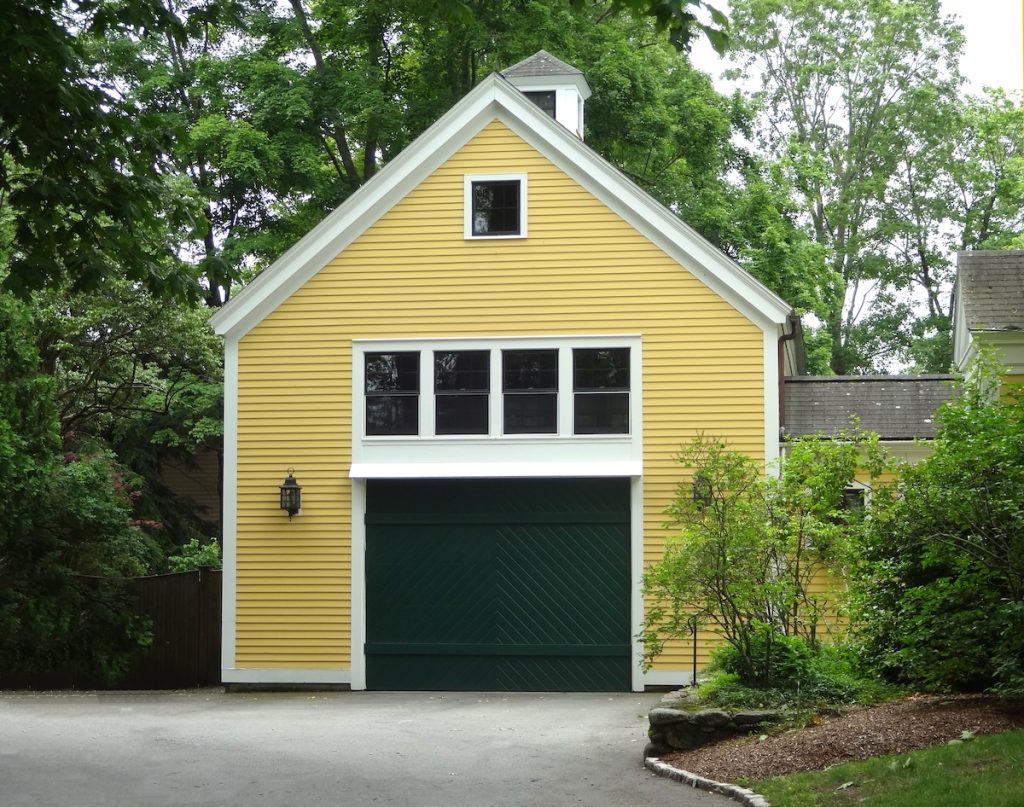
Converting the Garage
A common way to eliminate stairs while maximizing the available footprint is to convert an existing garage into a private, accessible, livable space. Since it already has a foundation, a roof, framing, and a separate entrance, a garage is a great start.
Of course, a garage was never intended for full-time living, so you’ll likely need to upgrade or install wiring, insulation, HVAC, plumbing, and appropriate doors and windows to keep it comfortable.
Repurposing Current Living Areas
Another ground-floor option is repurposing seldom-used rooms, such as a formal dining room, office, or spare bedroom. These first-floor spaces can give aging parents a place to call their own without requiring a huge undertaking.
While less private, using existing rooms can increase accessibility to other parts of the home and to family members, making this an ideal solution for parents with more complicated needs. In addition to reworking the room’s layout, you may also need to consider additional renovations to a nearby bathroom, such as installing handrails, to increase safety and independence.
Adding Onto Your Existing Home
With the cost of assisted living in Massachusetts ranging from $14,881 per month for a semi-private room to $16,009 per month for a private room, a full-scale renovation to make space for aging parents quickly becomes a viable option for those with the space to do it. Adding onto your current footprint allows you to tailor the addition to your family’s specific needs and consider including additional rooms above or around the in-law suite to provide flexibility now and in the future.
Building A New Accessory Dwelling Unit On Your Property
Since the Healey-Driscoll Administration’s Affordable Act was signed into law in August 2024, permitting accessory dwelling units statewide, ADUs have been gaining popularity when exploring viable in-law accommodations.
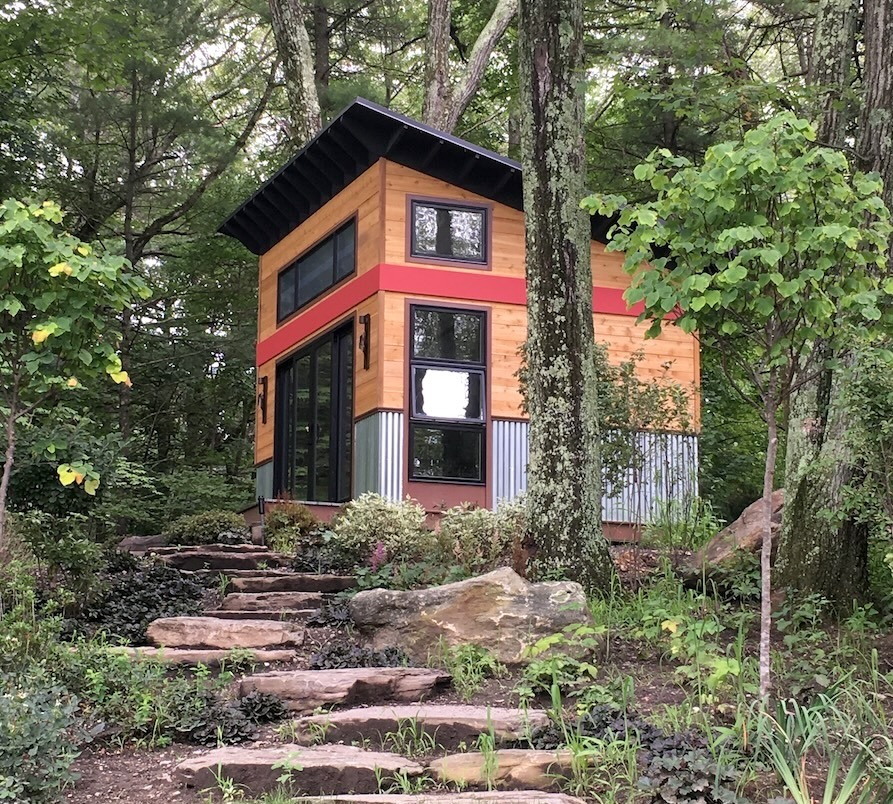
Sometimes referred to as tiny homes, ADUs are newly constructed, detached cottages on the same lot as your primary residence. With a separate entrance, an ADU includes essential amenities such as a kitchen, bathroom, and sleeping area, making it a completely self-sufficient, independent living space. Learn more about the different forms ADUs can take.
“Homeowners have more choices than ever when it comes to caring for family members of multiple generations,” adds McLinden. “It’s important to start with what’s possible regarding building codes and budgets first, and then explore options from there.”
No matter which approach you choose for making your in-law suite a reality, living with aging parents or extended family can have its ups and downs. The more thoughtfully you consider everyone’s needs, the smoother the transition can be—and the more you can enjoy your time together.
Thinking about building an in-law suite or multigenerational home in one of Boston’s MetroWest neighborhoods? Our remodeling experts at JM Construction are happy to help you explore and expand your options. Contact JM Construction for a free consultation.

